The Banco Río heist
A true-story test for our hand-drawn engine: ink linework, warm paper scenes and neon-blueprint cutaways, drawn entirely in code.
JDH Creative Studios is a small team building software on Claude that studies a video format (its structure, pacing, visual language and sound) and turns it into a production engine that makes new, original videos in that format.
We don't edit videos one by one. We study a format once, encode it as software, and let that engine produce every new episode, so each video starts from a topic instead of a blank timeline.
We start from reference videos of a format that works: an animated map explainer, a 3D case file, a hand-drawn essay.
Claude agents break the format down into numbers and rules: hooks, pacing, shot types, look, voice timing and sound.
The study becomes a reusable engine. We calibrate it on a short test render until the look and rhythm hold up.
Give the engine a topic: it researches an original script, voices it, animates every scene and renders a finished 1080p video.
Short previews from our engines: two full map-history episodes, a hand-drawn test render and a pilot from our 3D engine.
A true-story test for our hand-drawn engine: ink linework, warm paper scenes and neon-blueprint cutaways, drawn entirely in code.
600 years in nine chapters. Written, researched and sourced by the engine, then voiced, animated on satellite maps and scored.
Habsburgs, Burgundy, Napoleon and Hitler against a country smaller than West Virginia, with every claim fact-checked against sources.
A pilot from our newest engine: a dark, cinematic 3D case file built as lit dioramas.
Each engine encodes one visual format end to end, from how its scripts are structured to how its scenes are lit, so every new episode comes out consistent.
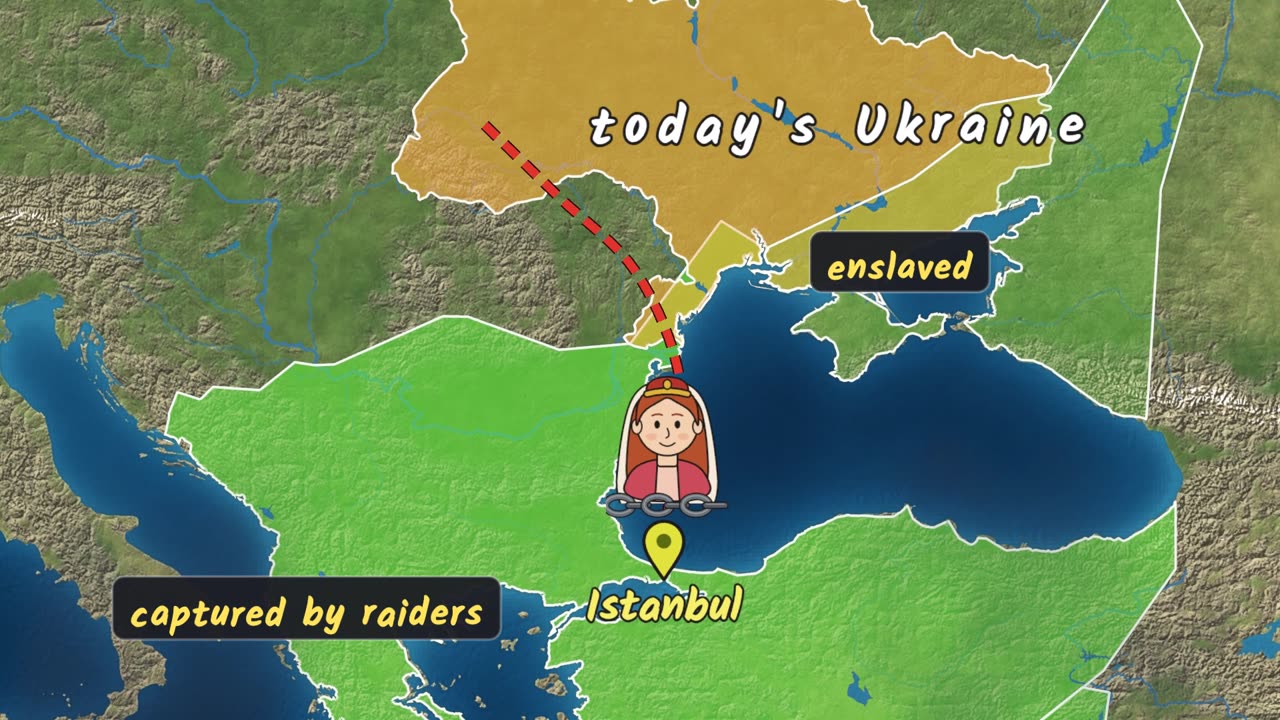
Centuries of history on satellite-style maps, with shifting territories, handwritten labels, flat cartoon scenes and a recurring presenter character.
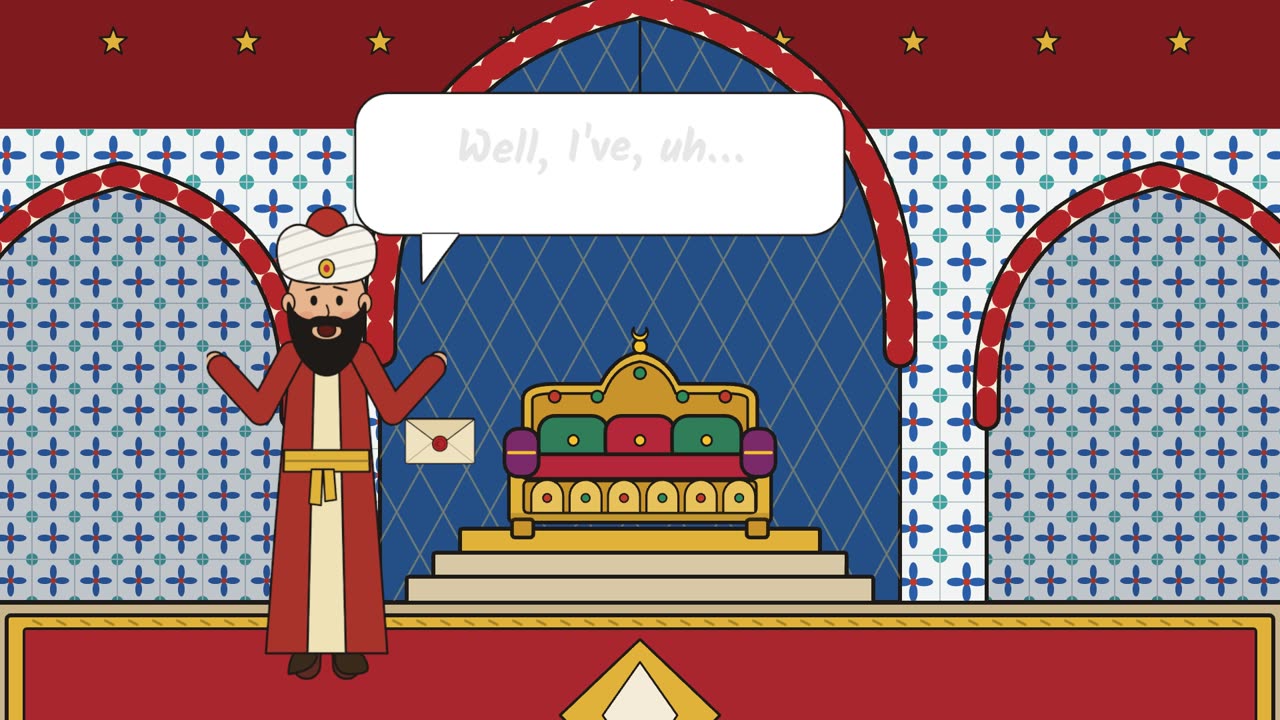
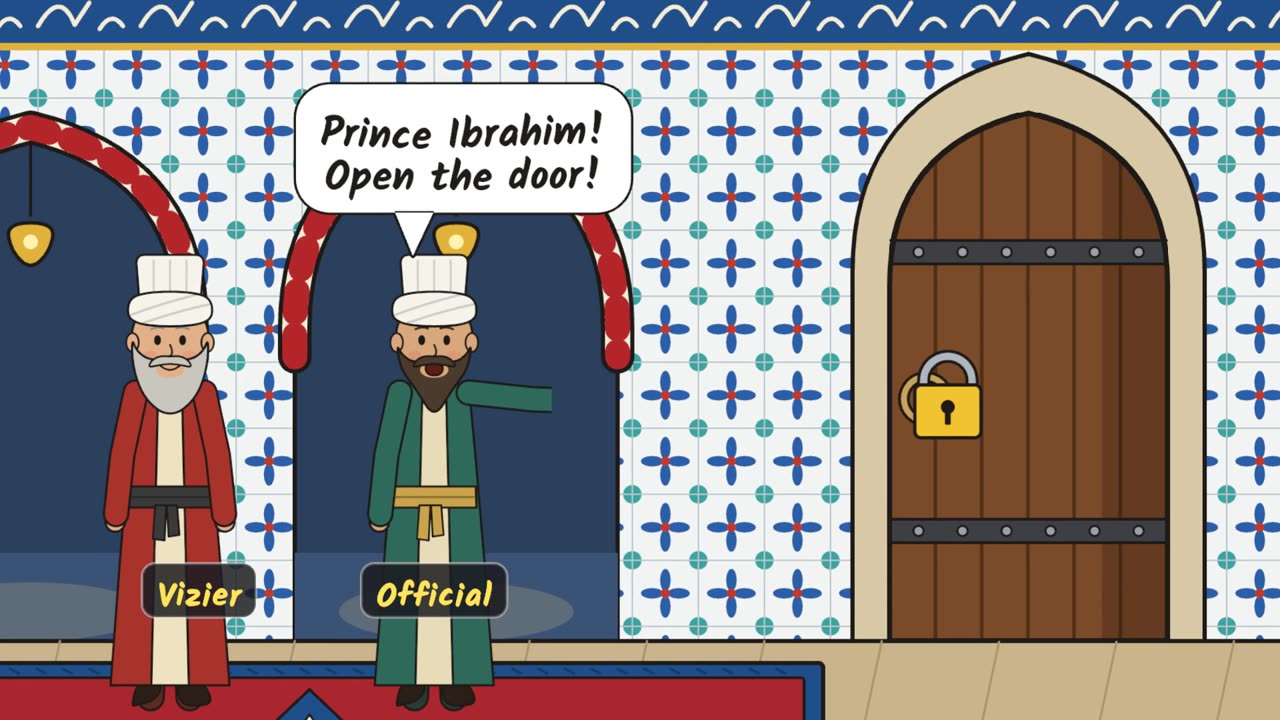
Editorial ink illustration drawn procedurally in code: hatching, stippling and a slight line boil, alternating warm paper scenes with neon-blueprint cutaways. Built for explainers and true stories.
Dark, cinematic 3D: faceless figures in lit dioramas, one slow camera move per shot, with evidence boards, maps and timelines in the scene.
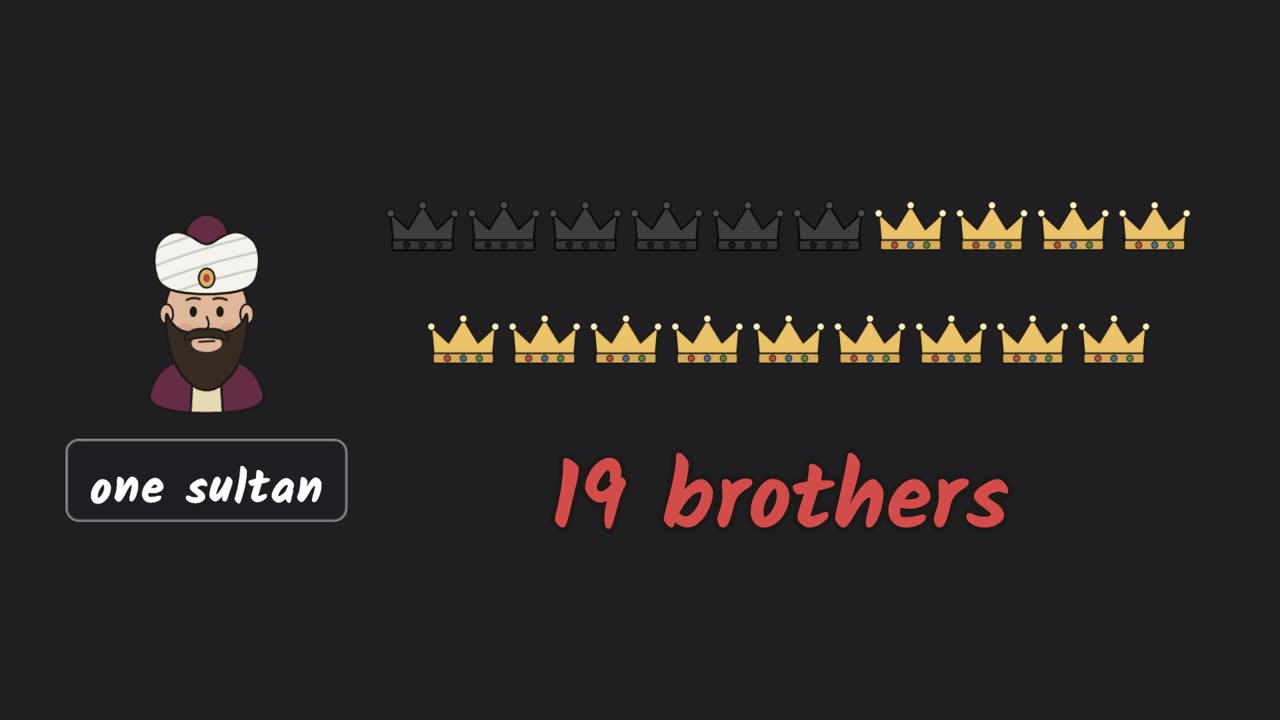
The engine writes the script, then times every scene to the narration word by word. Here's how three lines from our Ottoman Empire episode became frames.
"One sultan had all 19 of his brothers strangled."
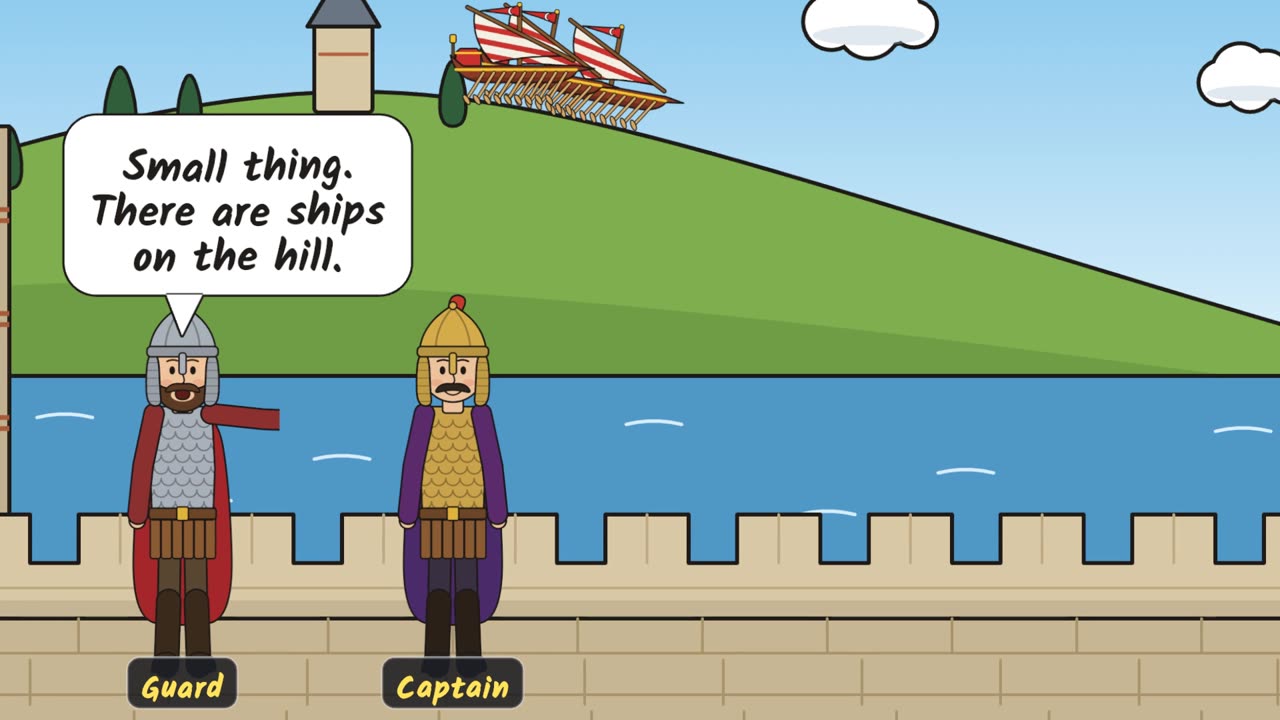
"There are ships on the hill."
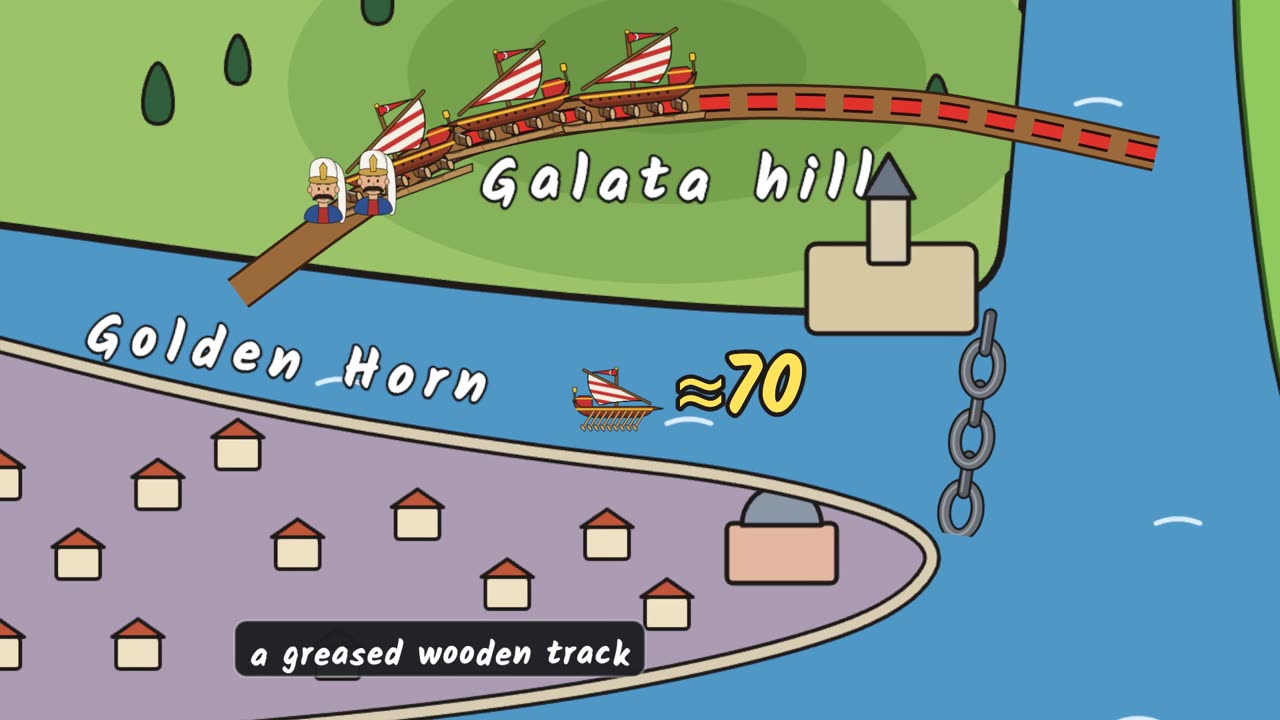
"Mehmed's men had greased a wooden track and hauled about 70 small ships up and over the hill."
Claude isn't a writing assistant on the side. It does the analysis, writes the engines and drives every production step, while we set the creative bar and review the output.
Today our engines run in-house. Our goal is to make the step from reference to engine fast and repeatable enough to offer as a product.
Three engines running in-house: map history, hand-drawn and 3D mystery, with the map engine producing full episodes.
Shorten the path from reference to calibrated engine, and add new production families such as real-footage documentaries.
A product where a creator brings a reference format and gets a pipeline that produces original, fact-checked videos in that style.